 By admin
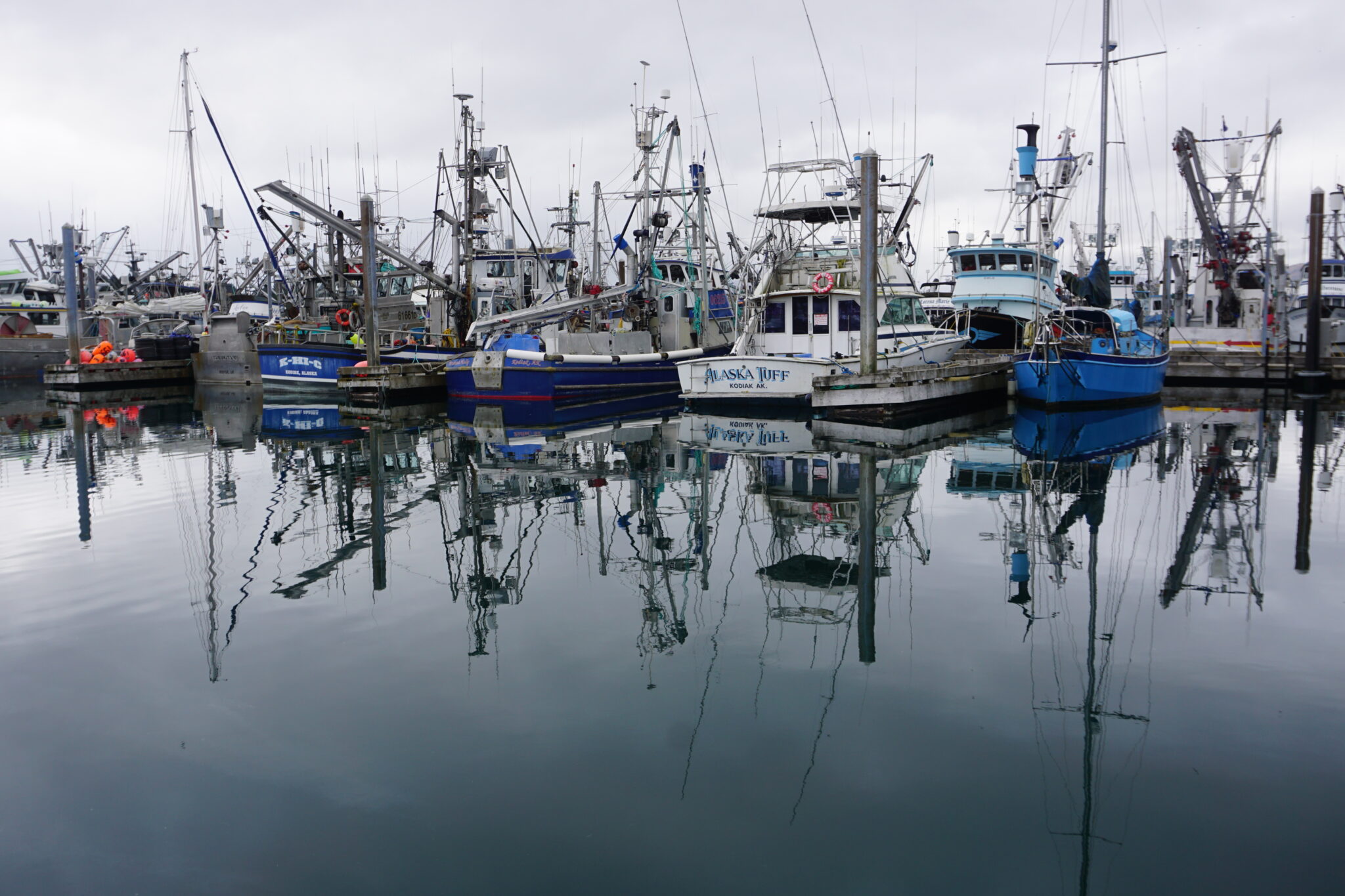
Fish are central to Alaska’s economy, Indigenous cultures and identity.
With critical salmon runs in Alaska rivers struggling, commercial operators squeezed by higher costs and stiffer market competition, fish are now at the center of the hard-fought campaign for Alaska’s U.S. Senate seat.
Read more Alaska federal judge nominee dodges 2020 election, Jan. 6 questions in confirmation hearing
For Democratic challenger Mary Peltola, who is seeking to unseat incumbent Republican Sen. Dan Sullivan, the fishing issues are deeply personal.
She is Yup’ik, grew up in rural Western Alaska on the Kuskokwim River and, as she has explained many times, has been fishing since she was 6 years old.
“I’m the only candidate on this stage who’s an Alaskan fisherman. Fish is in my blood, earned over generations on the water,” she said at the Sept. 12 fisheries-focused debate held by the Kodiak Chamber of Commerce.
Sullivan is emphasizing his record after 12 years in the Senate, which he said resulted in 63 bills signed into law so far, many of which concern fisheries, and has secured generous appropriations for agencies that support the industry, like the U.S. Coast Guard.
“Our fishermen deserve relentless focus and action, not just talk,” he said at the Kodiak debate.
According to the information clearinghouse govtrack.us, Sullivan was the prime sponsor on 31 bills that have been signed into law during his tenure. Over his career in the Senate, he has been a cosponsor of more than 1,800 pieces of legislation, according to congress.gov, the online database for the nation’s legislative branch.
In comparison, Peltola was the prime sponsor of two bills that were enacted during her two years in the House, though her bills were converted into provisions that passed as parts of larger legislation, according to govtrack.us. During her tenure, which started with a special election victory in 2022, she was a cosponsor of 348 pieces of legislation, according to congress.gov.
Battle over bycatch
At the top of the Peltola-Sullivan fish fight is the hot-button issue of bycatch, or the interception of salmon and other nontarget species in the nets deployed by the huge trawling vessels that harvest pollock and other groundfish species in the Bering Sea and Gulf of Alaska.
Many in Alaska blame the poor conditions of certain salmon runs and declines in halibut and crab stocks, at least in part, on trawler bycatch. The issue has divided fishery sectors and regions.
Read more Coast Guard icebreaker Healy cancels fall voyage to Arctic Ocean after mechanical problem
For Peltola and Sulivan, the fight over trawl bycatch has been particularly bitter, with attacks on each others’ characters.
As Peltola and her supporters describe it, Sullivan is in the pocket of out-of-state industrial fishing corporations that contribute to his campaign but hurt Alaskans.
“CASHING IN. . .WHILE ALASKANS PAY THE PRICE,” says the website of a political action committee backing Peltola. “Dan Sullivan is looking out for his rich donors – and it’s costing us.”
As Sullivan and his supporters describe it, Peltola, is dishonest, unaccomplished and, despite her Yup’ik heritage, has sold out to Lower 48 liberals.
“When you don’t have a record to run on, YOU BUILD YOUR CAMPAIGN ON LIES,” says a special Sullivan campaign website called peltolalies.com. It features images of two prominent New York Democrats, U.S. Rep. Alexandria Ocasio-Cortez and Senate Minority Leader Chuck Schumer.
The prominence of the fish debate in this year’s Senate race is unusual, said Brett Watson, a University of Alaska Anchorage economist and natural resource expert.
Watson, affiliated with UAA’s Institute of Social and Economic Research, has been working on Alaska natural resource issues for about a decade. “I don’t recall a time over that period where these issues have played such a central role in a statewide or federal campaign,” he said.
He believes that the intensity of the fight over trawlers and bycatch may reflect larger social trends that go beyond fish.
Read more Mat-Su moves ahead with school concealed carry program using state, taxpayer funds