 By admin
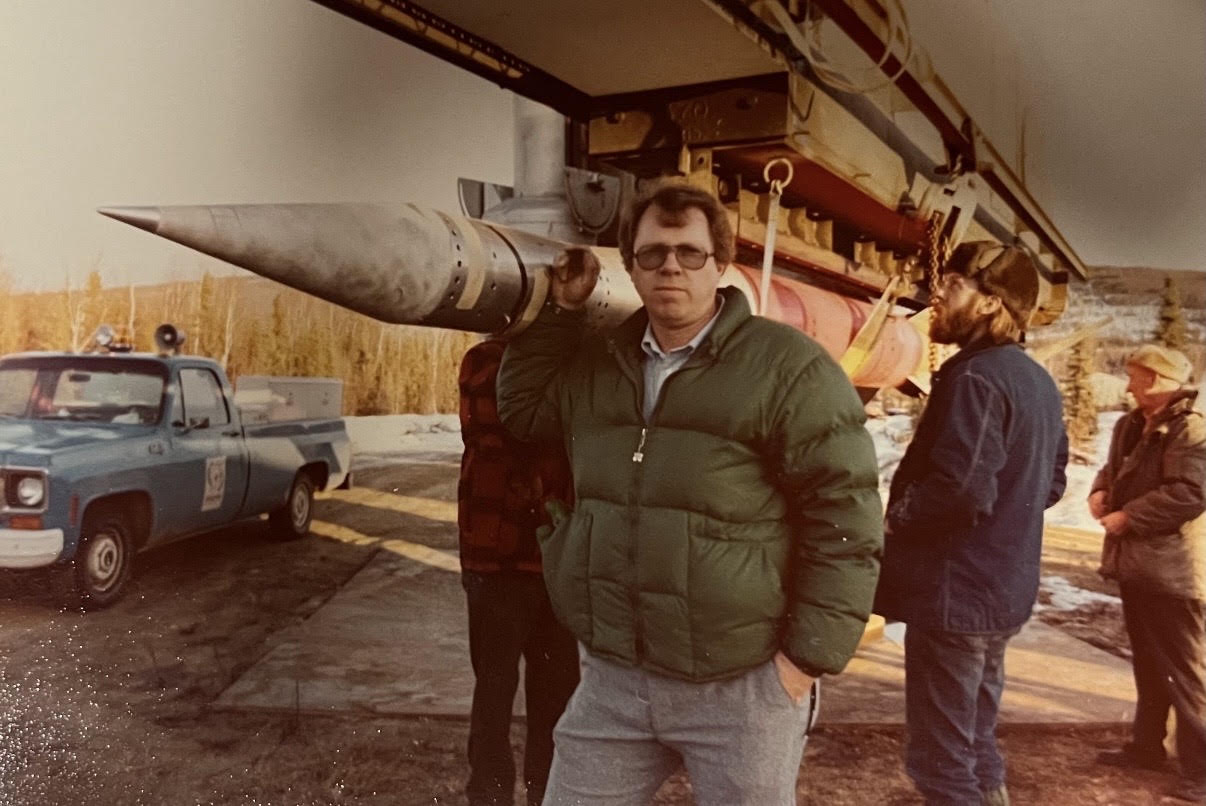
For a time growing up, I called a rocket range home.
My late father, Neal Brown, directed Poker Flat Research Range outside Fairbanks for 18 years. To the scientists who traveled there, it was a place to send instruments into the northern lights. To me, it was part of childhood: familiar people doing remarkable things in a place where winter demanded as much ingenuity as the science itself.
Read more Analysis: Trump deportations near 1M, but few are criminals
Helping recently bring his memoir to publication with Fairbanks writer Sue Mitchell has deepened my appreciation of what those people accomplished. “Northern Lights and Rocket Flights: My Years at Poker Flat Research Range,” has also reinforced my belief that scientific research is essential to Alaska’s future and to the nation’s strength.
Alaskans grow up understanding something that maps of the Lower 48 can obscure: Our state occupies a consequential place in the world. We face Russia across the Bering Strait and connect the United States to the Arctic and North Pacific. Our location makes Alaska central to national defense and Arctic affairs. It gives us an understanding of changes that carry consequences far beyond our borders.
Read more New geological estimate puts Alaska North Slope gas resources at 96 trillion cubic feet
But geography alone does not create strength. People, knowledge and institutions turn location into capability.
Read more After successive damaging ex-typhoons, Western Alaska considers future storms