 By admin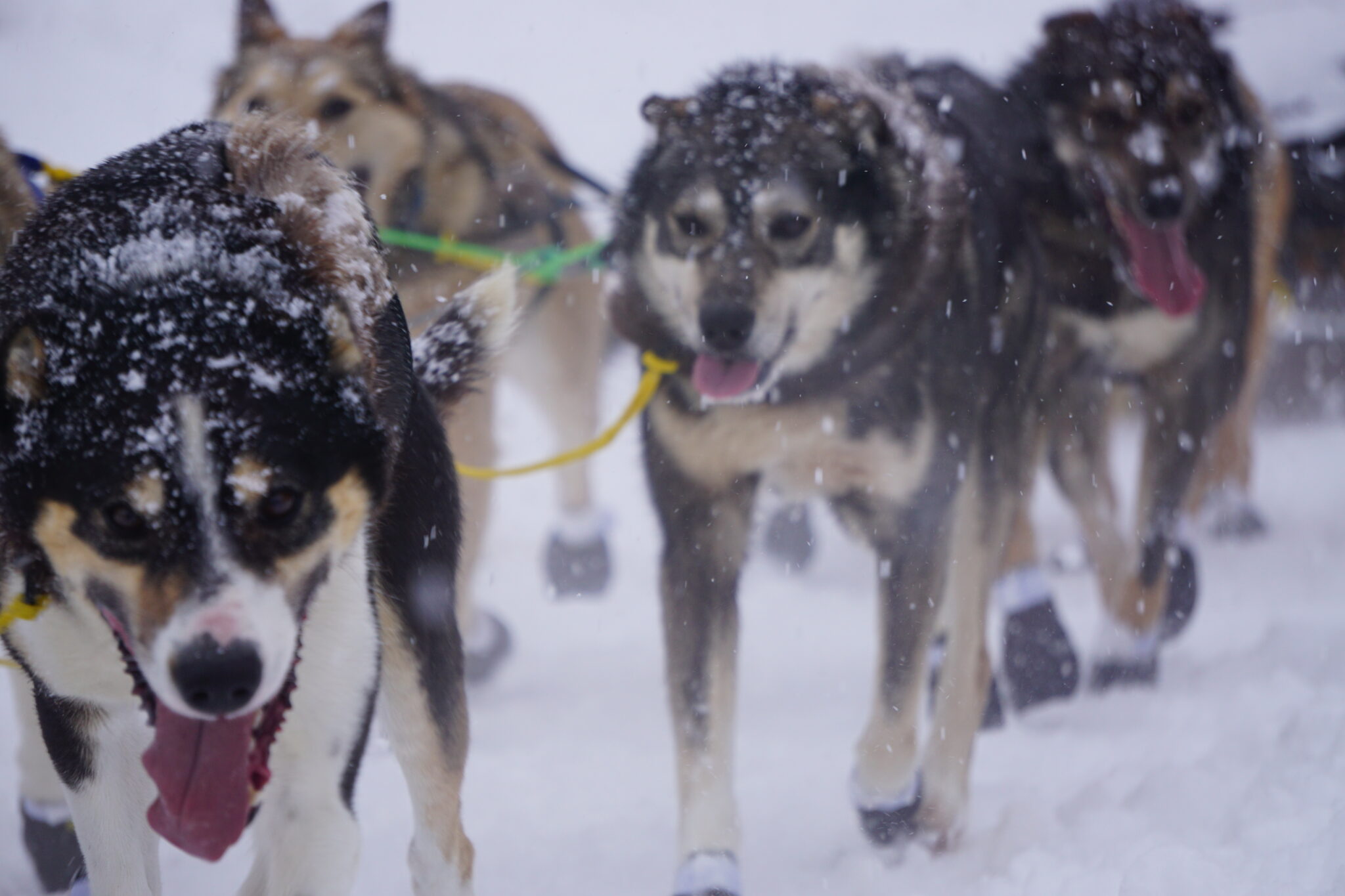
For years, rural Alaska communities have struggled with out-of-control dog populations that pose dangers to children, and diseases circulating through wildlife that can spill over into pets and people. And for years, the Alaska Federation of Natives has asked policy makers to help address the situation by extending veterinary services that residents say are desperately needed.
Read more Under new agreement, federal government limits obstacles to oil leasing in Alaska’s Arctic refuge
Now AFN, the state’s largest Native organization, is taking its own action. The state’s largest Native organization has teamed with Alaska Native Rural Veterinary Inc. to launch a program to provide animal care directly to remote villages.
The partnership kicked off its rural work this week when a veterinarian team landed in Galena, a Yukon River village that is among the multitude of Alaska communities lacking regular animal-health service.
The Rural Veterinary Public Health Program is intended to serve villages on the North Slope, in Western Alaska, Interior Alaska and other remote areas where there are no resident veterinarians, said Dr. Arleigh Reynolds, a veterinarian serving as the program’s medical advisor.
The plan includes spay and neuter services to keep populations in check, as well as vaccines and other animal care that is considered routine in urban areas but is difficult to secure in rural villages.
The program is also intended to address zoonotic diseases, which are illnesses that can spread between animals and people, adhering to the One Health approach.
“The most important thing is we’re keeping people safe and their pets safe, and wildlife, too,” said Reynolds, who led the University of Alaska Fairbanks’ Center for One Health Research for a decade. Since 2024, he has served as the executive director of the Sitka Sound Science Center.
Dogs are important to communities, and they are intertwined in Alaska Native culture and Alaska history. Dog mushing is the state’s official sport. But the shortage and, for some communities, complete lack of veterinarian care has caused serious problems, including high rates of dog bites suffered by children.
Read more Alaska lawmaker violated ethics law using official letterhead to condemn news story
Reynolds said the new program intends to address a wide range of problems. While spay and neuter services and other routine animal care are common needs, communities have varying concerns that the program is designed to address, he said.
The most ominous threat is rabies. In Alaska, it is mostly found in Arctic foxes and red foxes, but wild animals can infect dogs, which in turn can infect people. The disease, if not treated right away, is always fatal to people. There are periodic spikes of rabies detected in wild animals in parts of rural Alaska, including this year in the Yukon-Kuskokwim Delta.
Vaccines protect dogs and, in turn, protect people.
In some island or coastal communities, seals are at risk from dogs with distemper, Reynolds said. “When the distemper gets into the seal populations, it’s 100% fatal,” he said.
For afflicted dogs, there are treatment options, but the best step is vaccination to prevent the disease, according to the American Veterinary Medical Association.
Tularemia, a tick-borne disease sometimes called “rabbit fever,” is a concern in other communities, Reynolds said. Numerous species of wildlife have been found to be infected — and people can be infected, falling seriously ill or even dying if not treated. Antibiotics are used to treat infections.
Interactions with wild animals increase people’s risks of contracting tularemia, and past research indicated that Alaska Native people were five times as likely as white Americans to be infected.
Another threat is a type of tapeworm that can be tolerated by dogs but, if ingested by people, can lead to deaths from cancer-like cysts in the liver or other organs. Called Echinococcus multilocularis, it has a strain that is endemic in parts of the North Slope and Western Alaska. It is found in Arctic foxes, red foxes and the small rodents that make up their prey. Detections are increasing in North America. Deworming can protect dogs.
Read more Urban Alaska’s high costs of living driven by health care and groceries