 By admin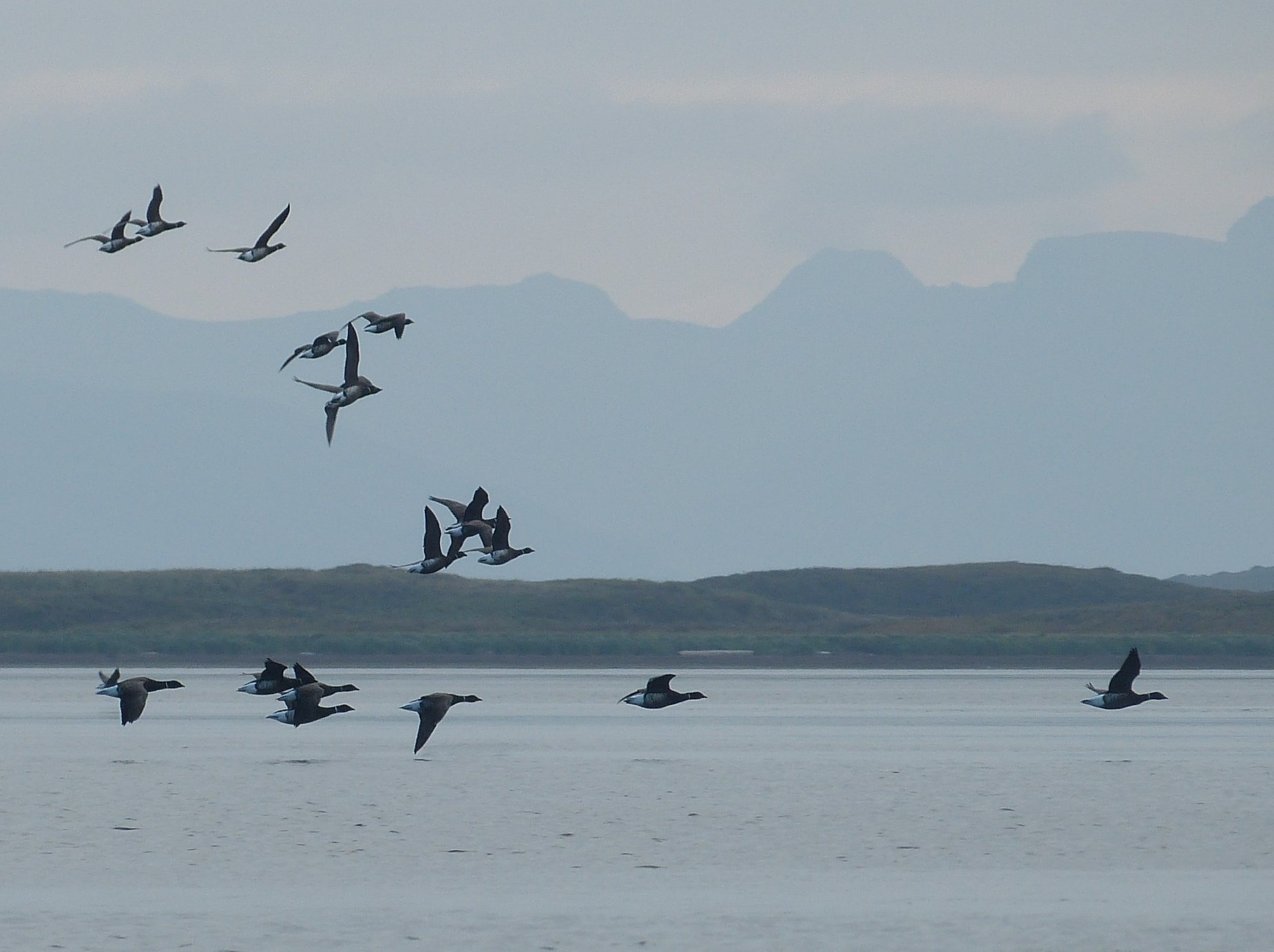
Two weeks before construction could begin on a controversial road that would cut through Izembek National Wildlife Refuge wetlands, three Western Alaska tribal governments and several environmental groups have filed new lawsuits seeking to block the project.
Read more Alaska removes thousands from state’s active voter list, erroneously flagging some citizens
Both complaints, filed in U.S. District Court in Anchorage, are seeking to overturn a key permit issued earlier this month by the U.S. Army Corps of Engineers for a 19-mile road that would pass through what had previously been protected as designated wilderness within the refuge.
Plaintiffs in , filed Thursday, are the Native Village of Hooper Bay, the Native Village of Paimiut and the Chevak Native Village, tribal governments with Yup’ik members and the Center for Biological Diversity, whose attorneys are handling the lawsuit. Plaintiffs in the , filed Wednesday, are Friends of Alaska National Wildlife Refuges, the Alaska Wilderness League, the National Wildlife Refuge Association, the Sierra Club and Wilderness Watch. The environmental groups are represented by Trustees for Alaska, an Anchorage-based environmental law firm.
Defendants in both cases are the Corps, and the tribal lawsuit also names the Alaska director of the U.S. Fish and Wildlife Service, which manages the Izembek refuge, and U.S. Department of the Interior Secretary Doug Burgum as defendants.
Plaintiffs say the Corps’ wetlands-fill permit, issued to the Alaska Department of Transportation and Public Facilities, is illegal because the federal agency failed to fully consider the impacts to the wetlands and wildlife.
Read more Alaska elections division director defends disqualifying U.S. Senate candidate
the environmentalists’ lawsuit described the importance of the area that they said would be damaged by the road: “Izembek is one of the world’s most important migratory bird staging and wintering habitats, supporting millions of migratory waterfowl and shorebirds in its coastal lagoons and freshwater wetlands complex.”
The tribes’ lawsuit said harm from the road to the migrating geese that use the refuge, “including poor body condition, diminished reproductive success, and reduced survival rates” would have serious consequences for tribal residents who depend on those birds for their subsistence hunts and culture.
The Interior Department declined to comment on the lawsuits challenging the Corps permit, and the Corps did not respond to an emailed query.
A land trade necessary for the road construction, which swapped land owned by the King Cove Corp., an Alaska Native Village Corporation, for some designated wilderness land within the refuge, got the Trump administration’s final approval in October.
Read more For Yukon River residents, salmon shortages have health consequences