 By admin
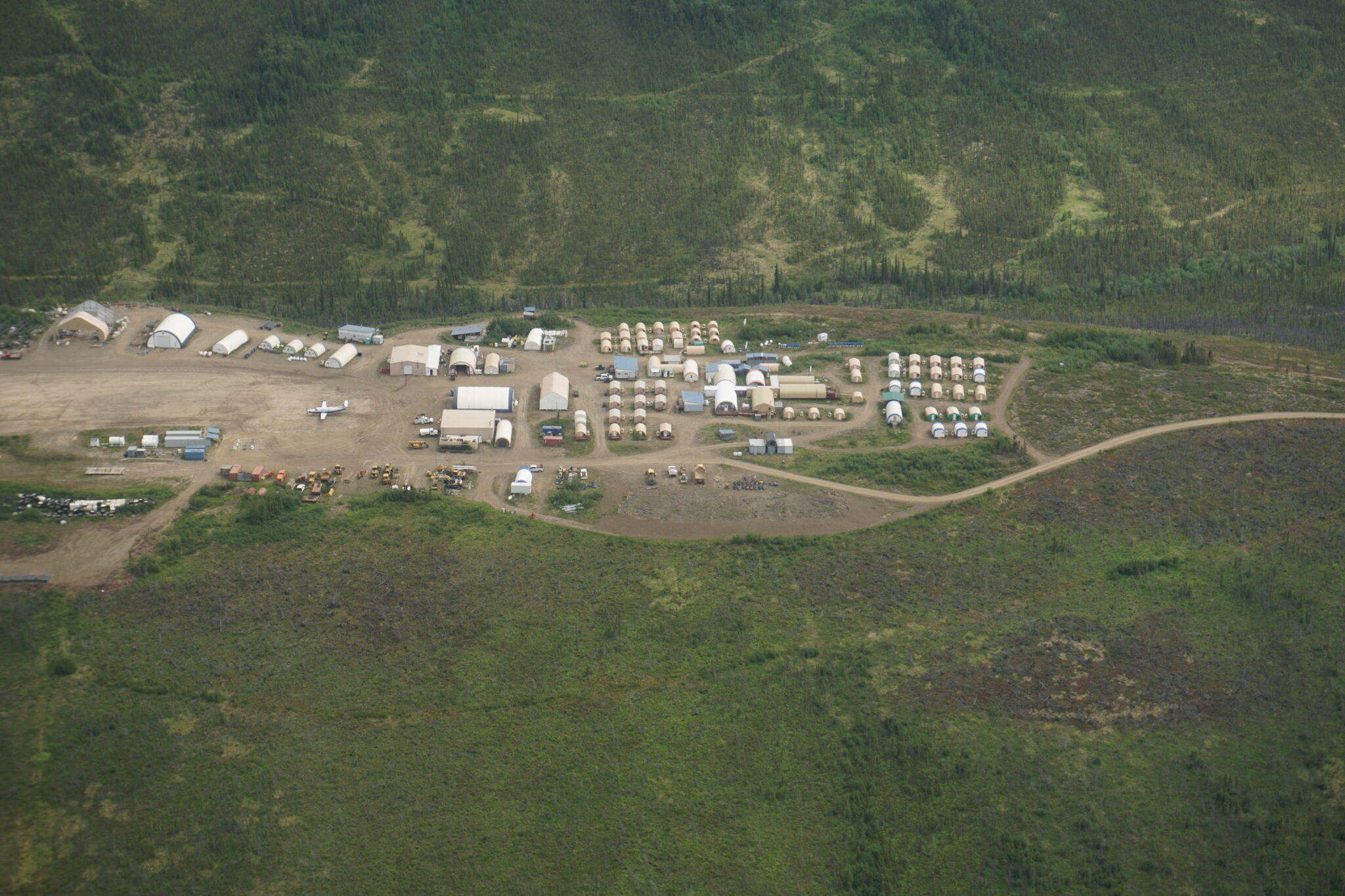
A major dam failure at the huge gold mine proposed for rural Western Alaska could unleash catastrophic flooding that would make one village uninhabitable, poison drinking water sources and cause lasting damage to fish habitat, according to a new analysis by federal regulators.
Read more Misleading Google AI instructions cause Kodiak woman to be cited for illegal snipe hunt
The hypothetical disaster is described in a draft supplemental environmental impact statement the U.S. Army Corps of Engineers prepared for the Donlin Gold mine.
The , released by the Corps last week, was mandated by a court order issued last year. That order followed a 2024 ruling by U.S. District Court Judge Sharon Gleason that found that the Corps’ previous study of Donlin environmental impacts improperly understated the risks of major break in the dam that Donlin proposes to build to hold its mining waste, known as tailings.
The Corps’ original environmental impact statement, completed in 2018, analyzed a potential release of up to 0.5% of the millions of tons of material held behind the planned 471-foot-high dam. Shortly after that study was released, the Corps and the U.S. Bureau of Land Management gave their approvals for mine construction.
Gleason’s ruling did not overturn the permits.
The new study, launched in January, evaluates potential results from dam breaches releasing 5.4%, 13.3% and 27% of the total tailings volume.
As hypothetical spill sizes increase, potential impacts become more severe, causing special risks to the village of Crooked Creek, about 10 miles from the mine, the draft said.
Read more Feds target school internet subsidies in ed-tech backlash even as Trump touts AI
“Larger spills would generate much larger flood waves, inundate thousands of acres, flood portions of the Village of Crooked Creek, alter stream channels, and deposit large volumes of tailings throughout the drainage,” the document said.
At risk are the health and safety of people living nearby, the draft SEIS said.
“Risks include contaminant exposure, drinking-water concerns, psychosocial stress, displacement, and potential loss of life in heavily affected areas. The 27 percent scenario could render parts of the Village of Crooked Creek uninhabitable and create significant public-safety challenges,” the document said.
There are also risks to fish in the region: “Larger spills could cause population-level impacts lasting years to decades in Crooked Creek, with the 27 percent scenario potentially causing generational effects,” the draft said.
The maximum 27% spill scenario is based on a comprehensive 2022 study of dam failures at mines, the Corps said.
Read more Alaska takes public comment on new long-term plan for roads, bridges and more