 By admin
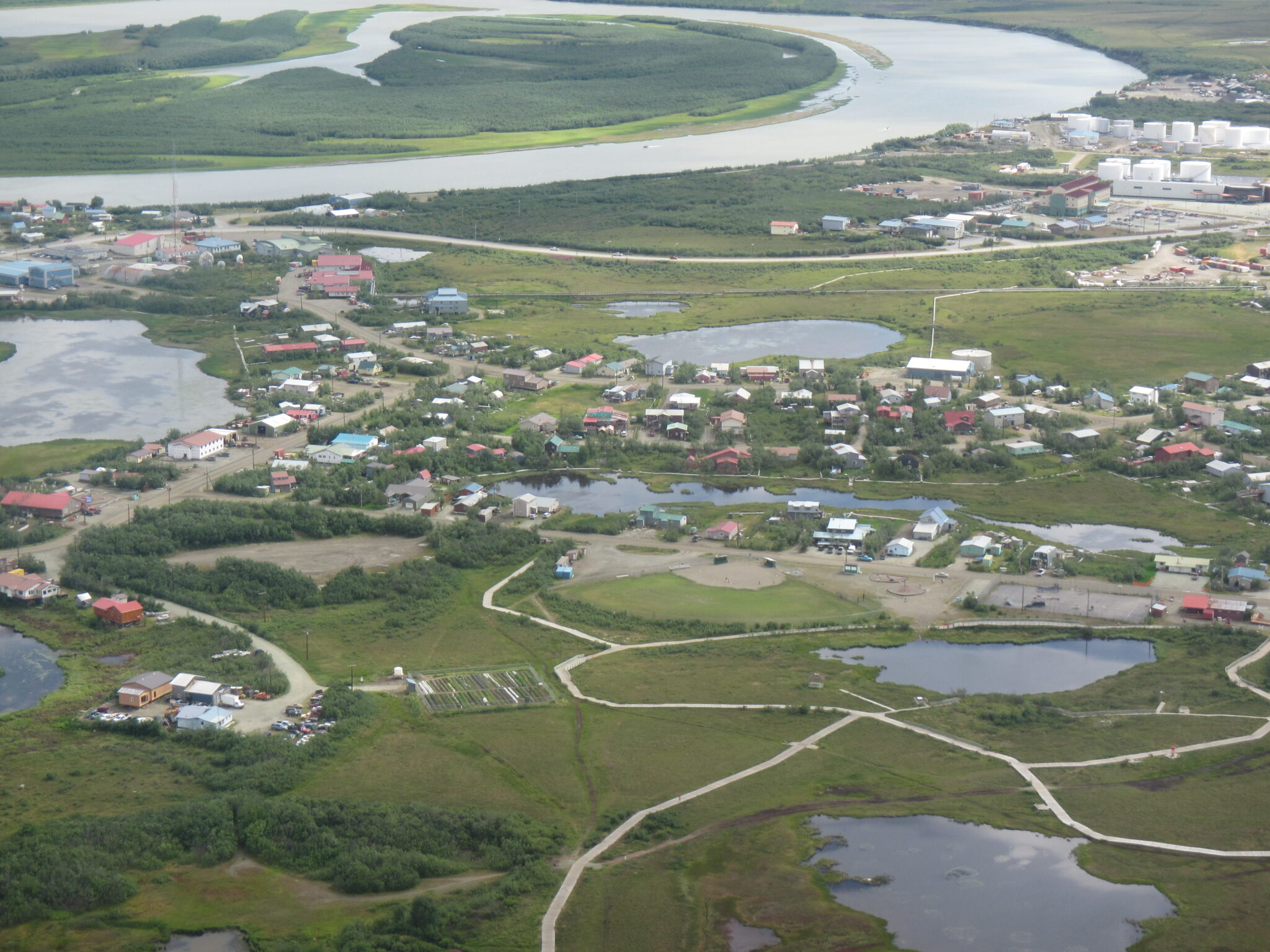
In a tightly fought Alaska legislative race, voters in one of the state’s most rural districts will be choosing between familiar candidates in a contest unlikely to change the balance of power in the state House.
Read more Calls for higher voting participation pervade Alaska Federation of Natives convention
The leading candidates are current Rep. Nellie Jimmie of Toksook Bay and the incumbent she beat two years ago, former Rep. CJ McCormick of Bethel. Both are Democrats, so a victory by either is unlikely to change the balance of power in the legislature.
In the Aug. 18 primary, McCormick edged Jimmie, winning 32% of the vote to her 29%.
Also in the race is another familiar candidate, Willy Keppel of Quinhagak, running as a Republican. He has mounted legislative campaigns since 2002, and in the last election ran as a member of the Veterans Party of Alaska. He took 24% of the primary vote.
A fourth candidate, Joseph Amik of Napaskiak, ended his campaign on Monday, citing health reasons, and endorsed Jimmie. Another Democrat, he had won 14.7% of the primary vote.
Jimmie and McCormick have similar views on issues like fishery management, public safety, infrastructure needs and fiscal policy.
The one issue that differentiated the candidates in the last election — their positions on the controversial Donlin Gold mine proposed for the region’s uplands — no longer distinguishes them.
The project would be one of the largest open-pit gold mines in the world, providing revenues and jobs in what is currently one of the lowest-income regions in Alaska. It would also be an economic boon to Alaska Native corporations; the site is on land with surface rights owned by the village Kuskokwim Corporation and mineral rights owned by the regional Calista Corporation. Both corporations are owned by the region’s Yup’ik people.
Read more Alaska legislators press natural resources commissioner on no-cost state land transfers
But there is deep opposition to the mine among many in the region because of potential environmental harm, affecting salmon and natural resources at the heart of people’s diets, lifestyles and Indigenous cultures.
McCormick said he has always opposed the mine and that opposition seems to be growing in the region. That is a contrast to Jimmie’s position of neutrality in 2024.
“I think people want someone who will stick up against Donlin,” McCormick said during an interview last week at the Alaska Federation of Natives convention in Anchorage. “I think there is a difference between saying you’re neutral and saying you’re against something, especially when, you know, there’s kind of momentum in one direction.”
Jimmie, in an interview during the AFN convention, said she is no longer neutral and now opposes the mine, as well. Her experience in the devastating storms in Western Alaska around ex-Typhoon Halong was the catalyst that changed her mind, she said.
“After Halong, we’re not the boss of the water. The water says how much it comes. The storms say when they’re going to come,” she said. “I can’t support a mine that doesn’t have a guaranteed 100% that it’s safe. Mining jobs cannot protect our fish, you know.”
Along with the ex-typhoon, a new supplemental environmental impact statement issued by the U.S. Army Corps of Engineers helped turn her opinion against Donlin, she said. That environmental study, ordered by a federal court, described the potential damages of a large though unlikely breach of the 471-foot dam that Donlin’s developers propose to build to contain mine waste.
Read more Candidates split on priority areas in Southwest Alaska Senate debate