 By admin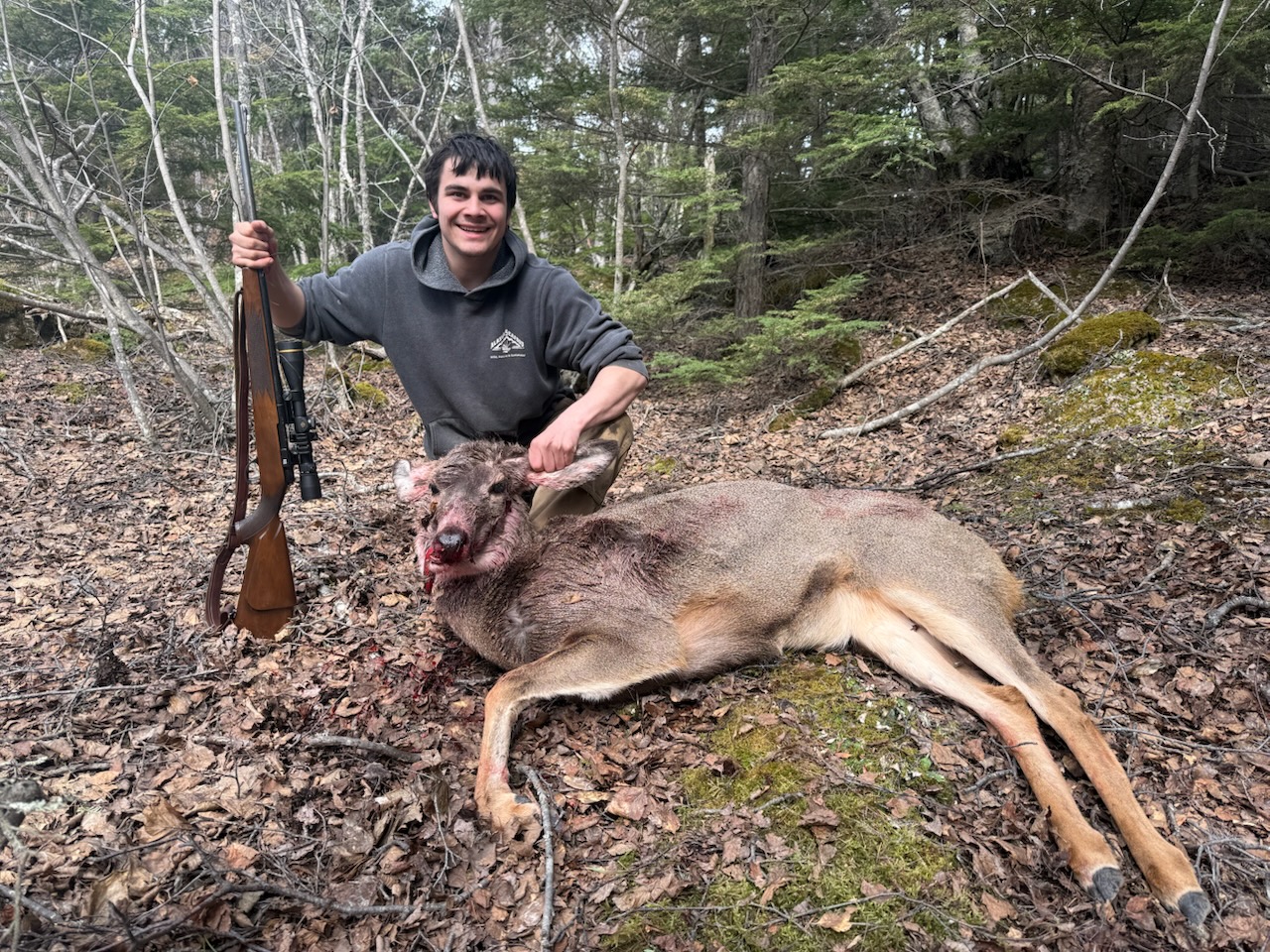
When Westin Nelson of Skagway became the first Alaska hunter on record to harvest a mule deer, he may have been doing the state a favor.
Read more University of Alaska names U.S. Army commander as new UAF chancellor
Mule deer, better known as inhabitants of the Rocky Mountain and Great Plains regions, have been expanding their range northward, including into Alaska. As they do so, they are expanding the risks of parasites and some contagious diseases.
The most concerning issue is the winter tick, or Dermacentor albipictus. It has yet to be documented in Alaska, but it has wiped out much of the moose population in New England and started causing problems for moose populations as far north as Canada’s and .
Read more Migrants detained at ICE facilities launch hunger strikes to protest conditions
In recent years, nearly half of the mule deer examined in the Whitehorse area were found to be tick-infested, said Dr. Kimberlee Beckmen, the Alaska Department of Fish and Game’s wildlife biologist. That is ominous for Alaska, she said.
“All it takes is one mule deer with one female tick on it to come into Alaska, and that would completely devastate our moose population,” Beckmen said.
Read more In Kachemak Bay, Kotzebue and beyond, Alaskans are on the lookout for harmful algae blooms